19 Jun 2026
What is Simulation Training and Why Does it Matter in Healthcare?
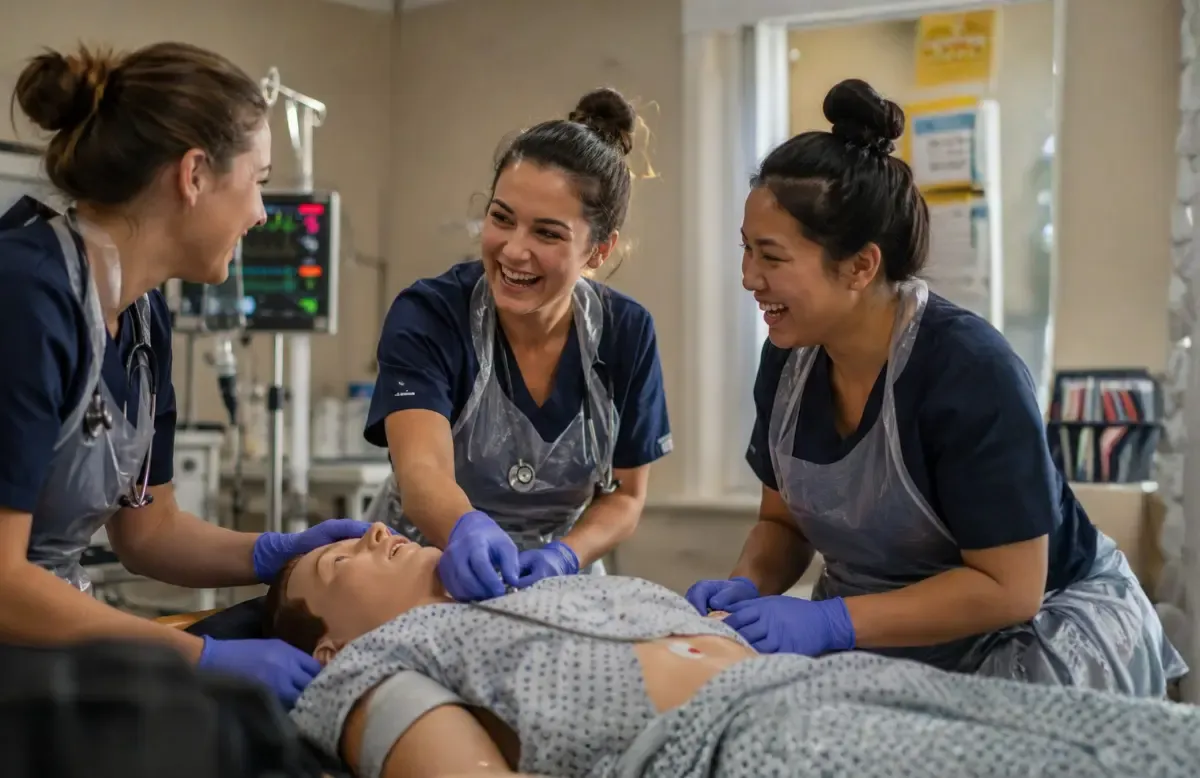
Simulation training is a form of hands-on clinical education that allows healthcare professionals to practise responding to real-world patient scenarios in a safe, controlled environment. Using lifelike mannequins, equipment, technology, and realistic clinical situations, healthcare teams can rehearse everything from routine procedures to rare emergencies without putting patients at risk.
Similar to how pilots use flight simulators before flying an aircraft, simulation training gives nurses, doctors, and allied health professionals the opportunity to build confidence, strengthen technical skills, improve communication, and refine decision-making before they encounter these situations in practice.
As healthcare becomes increasingly complex, simulation training is playing a growing role in preparing multidisciplinary teams to deliver safe, coordinated, and effective care.
A recent article by Michelle Hibberson in the Victorian Perioperative Nurses Group (VPNG) newsletter explored how simulation training is helping perioperative teams prepare for these challenges. The article highlighted the value of realistic emergency scenarios, psychological safety, structured debriefing, and organisational support in building stronger clinical teams.
At Lumia Care, several themes stood out.
Practice Builds Confidence
No healthcare professional wants their first experience managing a critical event to be during a real emergency.
Simulation training provides a safe environment where clinicians can practise responding to complex situations, refine their clinical judgement, and strengthen communication skills. Whether it's managing a deteriorating patient, coordinating care during an emergency, or navigating unexpected complications, repetition helps build confidence and preparedness.
In healthcare, confidence isn't about knowing everything. It's about having practised enough to respond effectively when it matters most.
Great Teams Don't Just Happen
Technical expertise is only one part of delivering excellent care.
The strongest healthcare teams are built on trust, communication, and collaboration. Simulation training creates opportunities for multidisciplinary teams to work together, understand each other's roles, and develop shared approaches to patient care.
When teams practise together, they perform better together. This is particularly important in high-pressure environments where clear communication and coordinated decision-making can directly impact patient outcomes.
Psychological Safety Drives Learning
One of the most valuable insights from the article was the importance of creating psychologically safe learning environments.
Healthcare professionals need opportunities to learn without fear of judgement. The best simulation programs encourage curiosity, reflection, and open discussion rather than focusing on mistakes.
This principle extends beyond simulation training. Creating workplaces where people feel safe to ask questions, share ideas, and seek support ultimately strengthens patient care, workforce wellbeing, and professional development.
Reflection Turns Experience Into Improvement
Simulation exercises are valuable, but much of the learning happens afterwards.
Structured debriefing allows teams to reflect on what worked well, what could be improved, and how communication, teamwork, and decision-making influenced outcomes.
Reflection helps transform experience into growth. It encourages continuous improvement and supports the development of stronger, more resilient healthcare professionals.
Investing in Learning is Investing in Patient Care
Simulation training requires time, resources, and leadership support. Yet the benefits extend far beyond individual clinicians.
Organisations that prioritise learning create more confident teams, stronger collaboration, and ultimately safer patient outcomes. They foster cultures where education is valued, continuous improvement is encouraged, and staff feel supported to develop their skills.
As healthcare continues to evolve, practical, team-based learning experiences will remain critical to preparing the workforce of the future.
Our Takeaway
Simulation training is more than practising emergency scenarios.
It's about building confidence, strengthening teamwork, improving communication, and creating healthcare environments where people can learn, grow, and deliver the highest standard of care.
As healthcare professionals face increasingly complex challenges, investing in education and preparedness is one of the most important investments any organisation can make.
Source: VPNG- Winter Newsletter 2026