PICC Care and Management
Whether you need PICC care for yourself or a family member, Lumia Care is here to help.
A Peripherally Inserted Central Catheter, also called a PICC line, is a thin tube placed into a vein to help deliver medications, fluids or treatment over a longer period of time.
Managing a PICC line at home can sometimes feel overwhelming. Through our Hospital in the Home (HITH) service, Lumia Care nurses provide safe, supportive care to help keep your PICC line clean, secure and working properly.
Our nurses can support you with dressing changes, flushing the line, checking for signs of infection and showing you how to care for your PICC line at home. We focus on safe, comfortable care so your treatment can continue with fewer disruptions.
📞 1300 79 68 76

What is a PICC?
A Peripherally Inserted Central Catheter (PICC) is a thin, flexible tube placed into a vein in the arm.
It allows medications, fluids and other treatments to be given directly into the bloodstream over a longer period of time without repeated needles.
Common Uses for a PICC Line:
✔ Long-term intravenous (IV) antibiotics
✔ Chemotherapy or other medication infusions
✔ Total Parenteral Nutrition (TPN)
✔ Frequent blood draws
A PICC line can remain in place for weeks or months, depending on the treatment plan.
How is a PICC Inserted?
A PICC line is usually inserted in a hospital by a trained clinician. The procedure normally takes about one hour.
The process usually involves:
Numbing the area with local anaesthetic
Using ultrasound to guide the catheter into the vein
Threading the catheter through the vein towards the heart
Confirming placement with a specialised X-ray
Once in place, the PICC line is secured with a sterile dressing to protect against infection and accidental dislodgement.
PICC Care at Home with Lumia Care
Proper PICC care is important to help prevent infection, blockages and other problems.
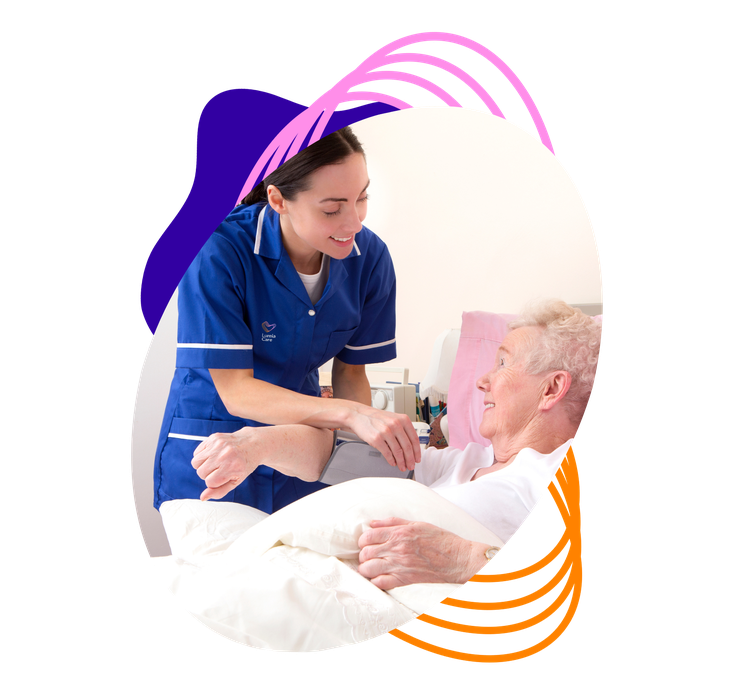
Lumia Care nurses provide Hospital in the Home support so you or your loved one can receive safe, professional care at home during treatment.
Our nurses can help with:
✔ Dressing changes when needed
✔ Flushing the line to help prevent blockages
✔ Checking for signs of infection or other concerns
✔ Helping keep the line secure and protected
✔ Support if you have concerns or questions
✔ Personalised care based on your treatment needs
✔ Care focused on your comfort, safety and wellbeing
How to Prepare for PICC Home Care
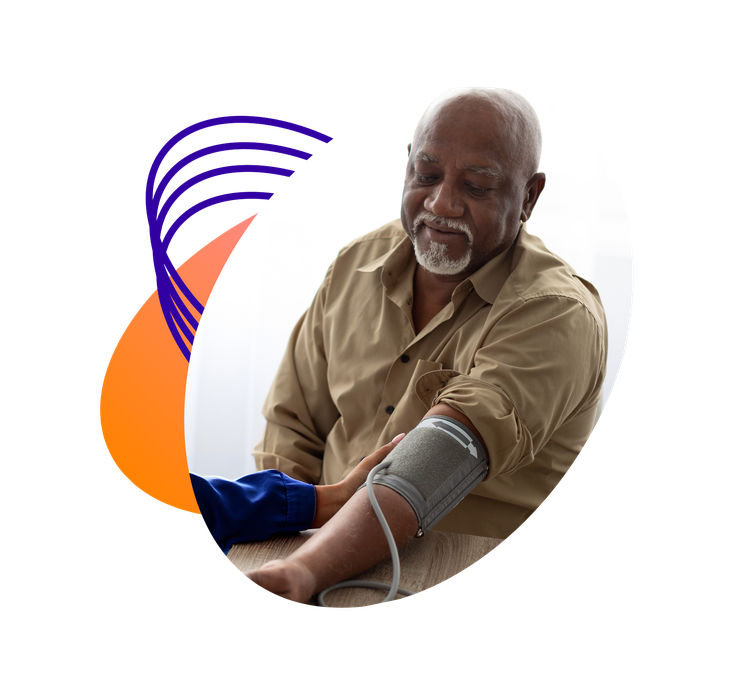
Before your nurse arrives, having a few things ready can help the visit run more smoothly. You may be asked to prepare:
✔ Your current treatment plan, referral details or hospital discharge information
✔ A list of medications, allergies and any recent changes in your condition
✔ Any PICC supplies or prescribed equipment provided by your hospital or pharmacy
✔ A clean, well-lit area where the nurse can safely carry out your care
✔ Notes about any pain, redness, swelling, leaking or other changes you have noticed
✔ Contact details for your treating doctor, hospital team or other healthcare professionals
We encourage keeping pets away from the treatment area and ensuring the nurse can easily access your home at the scheduled time.
How to Arrange At-Home PICC Line Management
Follow these steps to begin professional PICC care at home:
Referral or Enquiry
Lumia Care receives information about your PICC care needs, location, treating team, funding arrangements and the type of nursing support required.
Suitability Review
Our team assesses whether home-based PICC care is clinically appropriate and available in your area. This may include reviewing your treatment requirements, home environment and access to suitably qualified nurses.
Care Planning
If the referral is accepted, we confirm the nursing tasks required, visit schedule and any documents or supplies needed before care begins.
First Visit
We organise your initial appointment and provide care according to the agreed plan. Updates may also be shared with your hospital, doctor or wider care team where required.
Ongoing Review
Your care needs and progress are reviewed throughout treatment. If anything changes, Lumia Care will communicate with the relevant healthcare professionals so the plan can be updated.
Explore Our Hospital in the Home Services
At-home PICC line care may be one part of a broader treatment plan. Through Lumia Care’s Hospital in the Home services, eligible patients can also access nurse-led care such as IV medication administration, wound care and negative pressure wound therapy in their home or usual place of residence. Each service is shaped around the person’s clinical needs, recovery goals and treatment pathway.
Arrange Your PICC Line Care at Home
Caring for a PICC line at home shouldn't mean putting your life on hold. Our team is committed to delivering safe, compassionate support that helps you stay on track with treatment while remaining connected to your family and daily routines. Contact us today to discuss your PICC care needs and learn what documentation is required to get started.