09 Sep 2026
Aged Care Support Workers: Duties, Responsibilities & What You Need To Know
An aged care support worker can make a meaningful difference to how safely, confidently and independently an older person lives each day. Yet the role is often broader and more complex than many patients and their families initially realise. Whether you are arranging aged care for yourself or a loved one, or considering a career in the sector, understanding what the role involves can help you make a more informed decision. In this guide, Lumia Care explains the duties and responsibilities of aged care workers and the qualities that can help someone succeed in the role.
What is an aged care support worker?
An aged care support worker is a professional who provides direct, person-centred support to older Australians. Depending on the service arrangement, they may work in a client’s home, within the community or in a residential aged care setting.
While the exact scope of the position may vary, aged care support workers generally form part of a wider care team that can include nurses, allied health professionals, care coordinators and family members.
Their involvement is guided by the client’s individual care plan, which outlines the type and level of support required. This helps ensure that care reflects the person’s health circumstances, preferences, goals and changing needs.
What are the duties of an aged care worker?
The duties of an aged care worker vary depending on the person's health requirements, mobility and daily routine. These duties should always be delivered in line with Australia's Aged Care Quality Standards, which place older people at the centre of care and emphasise dignity, choice and autonomy.
Common aged care worker duties may include:
✔ Personal care — Assisting with showering, dressing, grooming, toileting and other personal routines.
✔ Mobility support — Helping clients move safely around the home, transfer between a bed and chair or use mobility aids correctly.
✔ Meal preparation — Preparing suitable meals and assisting with eating or drinking when required.
✔ Household support — Helping with light cleaning, laundry and other everyday tasks that keep the home neat, safe and comfortable.
✔ Transport and appointments — Accompanying clients to medical appointments, errands, social activities or community events.
✔ Medication management — Assisting clients to take medications properly in accordance with their care plan, while recognising when concerns should be escalated to nurses or other healthcare professionals.
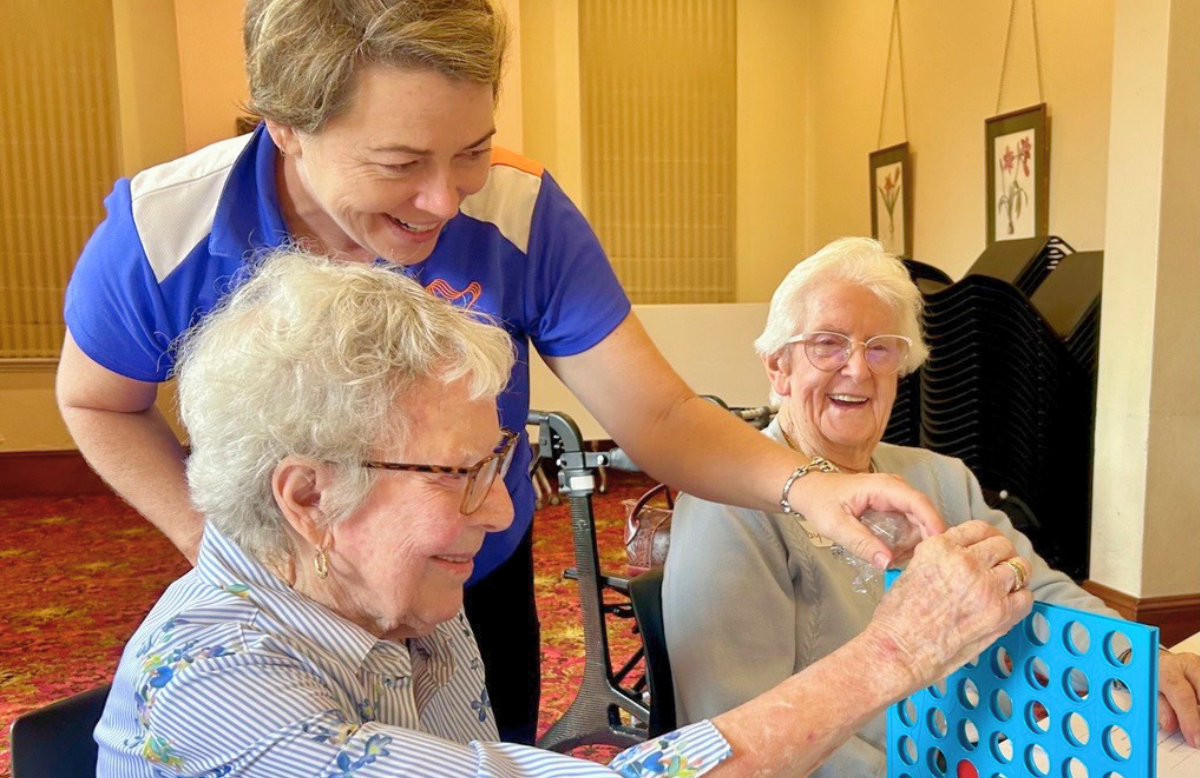
✔ Companionship — Spending time with clients, encouraging conversation and supporting social connection.
✔ Monitoring day-to-day changes — Noticing changes in a client's behaviour, mobility, appetite or general wellbeing and reporting concerns to the appropriate member of the care team.
What are the responsibilities of an aged care worker?
The role also requires them to meet the following expectations:
✔ Communicating with the wider care team — Sharing relevant information with family members, registered nurses and other healthcare professionals where appropriate to support coordinated care.
✔ Maintaining professional boundaries — Building trusting relationships while ensuring interactions remain respectful, ethical and focused on the client's wellbeing.
✔ Recognising and reporting changes — Being alert to changes in a client's physical health, behaviour or overall wellbeing and escalating them through the appropriate channels.
✔ Following workplace policies and safety procedures — Adhering to infection prevention measures, manual handling practices and other organisational policies that promote safe, high-quality care.
What qualifications do you need to become an aged care support worker?
Qualification requirements can vary between employers and roles, but many aged care support workers begin with a Certificate III in Individual Support (Ageing).
Depending on the position, employers may also ask for:
✔ A current police check or recognised worker screening clearance — Aged care workers must meet applicable screening requirements before they can start taking care of patients.
✔ First aid and CPR certification — These may be required where the role involves responding to health incidents or working independently in a client’s home.
✔ Manual handling and infection-control training — These skills help workers provide direct care while reducing risks to themselves and the people they support.
✔ A valid driver’s licence — This may be necessary for community-based roles that involve travelling between clients or providing transport.
✔ Role-specific training — Additional study or workplace training may be helpful for supporting people living with dementia, assisting with medication, delivering restorative care or providing end-of-life support.
Which qualities matter most in aged care work?
Carers need empathy, patience and strong communication skills to provide effective aged care. They should show genuine warmth, help clients feel safe and heard and follow through consistently so routines remain stable and dependable. Adaptability is also important, as care needs, plans and circumstances can change from one day to the next. Good workers understand professional boundaries and recognise that their role is not simply to complete tasks for someone but to support them in doing as much as they safely can for themselves. Above all, they should be able to build trust while protecting each patient’s dignity and well-being.
Find an aged care role that matches your experience
If you’re an aged care support worker looking for the next step in your career, Lumia Care matches you with opportunities that align with your strengths, goals and lifestyle. Choose from flexible full-time, part-time and casual roles, develop your capabilities through ongoing training and explore placements across metro, regional and rural Australia. To get started, just complete our online application form and wait for our friendly team to get in touch with you.