14 Jan 2026
Common Challenges In Supported Independent Living & How To Overcome Them
Supported Independent Living (SIL) gives individuals the opportunity to live on their own terms while receiving tailored assistance for daily activities, personal care and community participation. Like any form of care, it can present challenges that require the right balance of structure and flexibility.
This guide explores the common challenges in Supported Independent Living and practical ways to overcome them, so that independence remains both achievable and sustainable.
What is Supported Independent Living?
Supported Independent Living is an NDIS-funded service that helps people with disabilities live as independently as possible while receiving ongoing support suited to their needs and goals. This may include help with personal care, household management, mobility or developing essential life skills.
SIL can take place in shared homes or individual living arrangements, depending on each person’s preferences and NDIS plan. It focuses on building confidence, maintaining safety and supporting a lifestyle that reflects personal choice and independence.
7 challenges of Supported Independent Living — and ways to overcome them
1. Balancing between independence and support
One of the most common challenges in Supported Independent Living is achieving the right balance between independence and assistance. Too much support can make a person feel dependent, while too little may lead to frustration or safety risks. Independence means different things for everyone, and it takes time to find the right level of help that builds confidence without removing autonomy.
Regularly reviewing care plans and having open communication between participants, families and providers can help strike this balance. When support workers understand each person’s abilities and comfort levels, independence becomes both empowering and secure.
2. Building strong communication and trust with support workers
Trust and communication form the foundation of successful SIL. Miscommunication, inconsistent staffing or personality mismatches can lead to discomfort and stress, especially when participants rely on their support team for personal or daily care.
Developing trust takes time, consistency and understanding. Providers should prioritise continuity of care, so participants are supported by familiar faces who know their routines and preferences. Open communication and respectful feedback allow small issues to be resolved before they become barriers. These create a reliable and positive partnership between participants and their care team.
3. Managing daily routines and household responsibilities
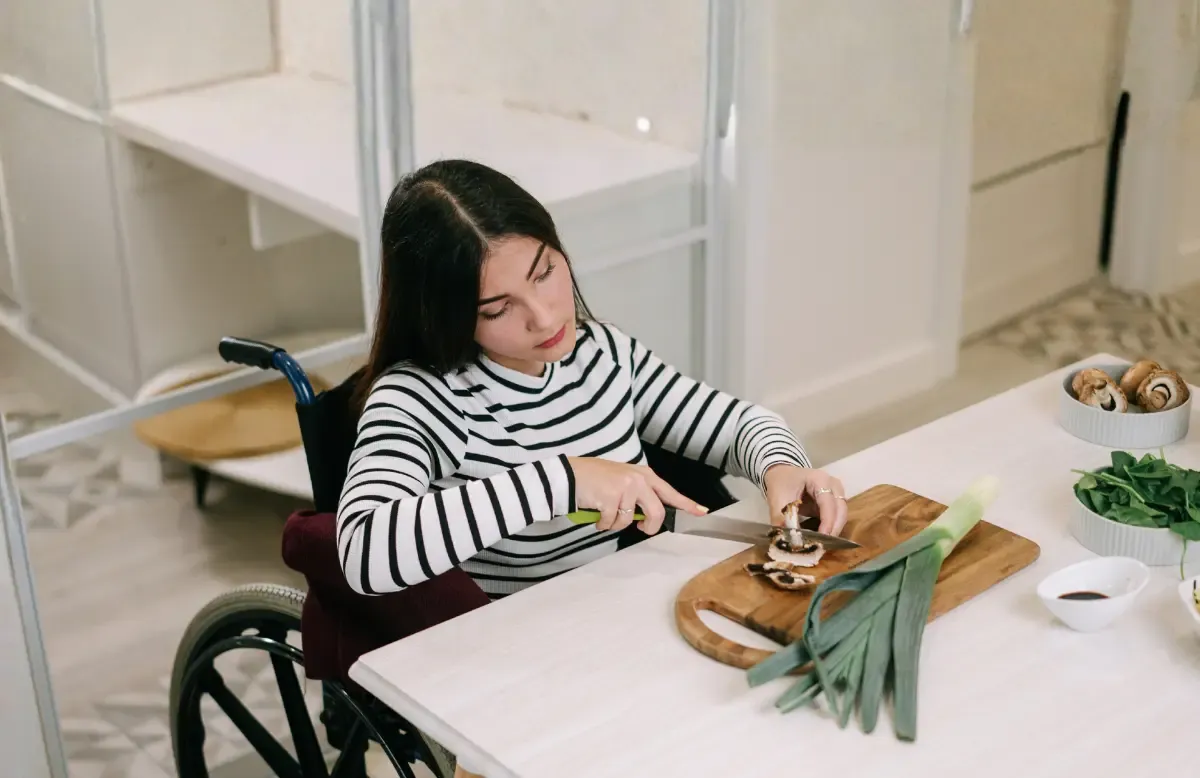
Independent living often means taking on new tasks like cooking, cleaning and budgeting, which can feel overwhelming without guidance. The excitement of independence can quickly turn to pressure without the right structure in place.
The most effective approach is to focus on gradual skill-building. Support workers can help participants develop daily routines that encourage independence while offering practical guidance along the way. Small achievements, such as preparing meals or managing appointments, build confidence and create a sense of accomplishment that strengthens long-term independence.
4. Addressing social isolation and mental well-being
Independence should never come at the cost of connection. Supported Independent Living (SIL) houses are normally shared houses with other participants, as this is often the most common and practical setup for the NDIS funding model. This allows for new connections and relationships to bloom under the SIL program. Residents won't have to worry about being lonely and feeling isolated, as they will have other people similar to them in the house to build connections with. However, it is also possible to receive SIL support in a private home, depending on individual needs and goals.
Encouraging social participation and community involvement helps reduce isolation and build confidence. Support workers can also play an important role by fostering inclusion, facilitating local activities and offering genuine companionship. A connected and supportive environment allows participants to feel valued, engaged and emotionally secure.
5. Navigating NDIS processes and funding
The administrative side of Supported Independent Living can be overwhelming, especially for those new to NDIS funding. Understanding what is covered, how plans are managed and when to update them can take time.
This challenge can be eased by partnering with a provider who has strong NDIS experience and can guide participants through each step clearly. When funding is used strategically and transparently, participants gain confidence that their support is not only effective but sustainable, allowing them to focus on living rather than paperwork.
6. Maintaining safety and quality standards at home
Another key challenge in Supported Independent Living is keeping the home environment safe without limiting personal freedom. Changing health needs, mobility issues or environmental risks can create hazards if not properly managed.
A reliable provider will regularly assess the home environment and make simple, practical adjustments to improve safety, such as proper lighting, assistive equipment, or mobility aids. These steps maintain safety and comfort while supporting independence and confidence at home.
7. Adapting as needs change over time
Life is dynamic, and so are individual support needs. As health conditions, goals, or circumstances evolve, care plans that once worked well may need to be adjusted. Sticking to an outdated routine can hinder independence rather than support it.
The best way to handle these changes is through ongoing review and open communication. Regular reviews and open communication with support coordinators help services evolve alongside each participant. Flexibility and responsiveness ensure that care remains relevant, empowering and truly supportive of long-term independence.
Lean on Lumia Care for the right support
While the challenges in Supported Independent Living are real, they can be overcome with thoughtful planning and genuine care. At Lumia Care, we specialise in disability support that focuses on personal choice, safety and connection. Our team works with participants and families to design living arrangements that feel right for each person, from tailored in-home support to fully managed SIL vacancies across Australia.
If you are exploring new SIL options or looking to transition into a home that better suits your needs, our team can help you find the right match. Contact us today to learn more about current vacancies.